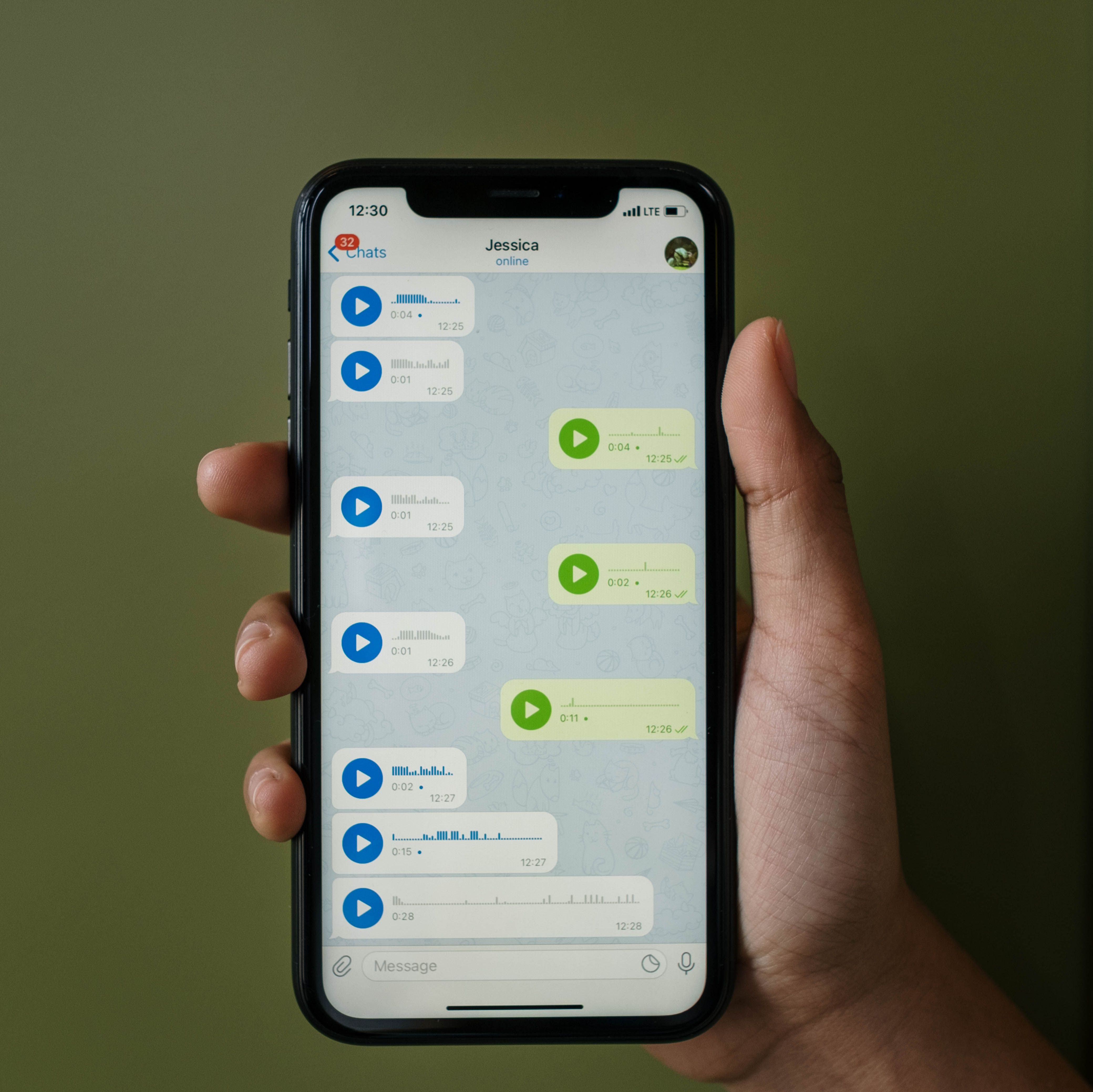
It’s 10 PM on a Saturday. A customer’s package hasn’t arrived. They’re frustrated. They need answers. They message your support channel—and get an automated reply: “Our office hours are Monday to Friday, 9 AM to 5 PM. Please contact us during business hours.”
By Monday morning, they’ve already ordered from a competitor.
This scenario plays out thousands of times a day. Businesses operate on 9-to-5 schedules. Customers don’t. And in 2026, “office hours” for customer service is no longer acceptable.

The Cost of Being Closed
When customers can’t get help, they don’t wait. They find alternatives. Response time is one of the strongest predictors of customer satisfaction—and abandonment.
For e-commerce, the stakes are higher. A customer with a shipping question at 10 PM is ready to buy. A customer with a return issue at 8 AM before work needs resolution before they leave. When you’re not there, someone else is.
The traditional solution—hiring night shifts—comes with its own problems. Night differentials, recruitment challenges, higher turnover, and inconsistent quality. For most businesses, staffing 24/7 isn’t financially viable. So they accept that customers will wait. And lose them in the process.
What AI Delivers Instead
AI chatbots don’t need sleep. They don’t take weekends off. They don’t clock out at 5 PM.
A single AI agent can handle thousands of conversations simultaneously, 24 hours a day, 365 days a year. When a customer messages at 2 AM about a delayed order, the AI responds instantly. It checks the order status in your ERP, pulls tracking information, and provides an answer—without a human ever seeing the conversation.
Platforms like Instadesk ChatBot are built for this. They connect directly to your CRM and ERP, so they don’t just give canned answers—they take action. They support 20+ channels including WhatsApp, Facebook, Instagram, and Line, so customers can reach you wherever they are. And with real-time translation across 100+ languages, language barriers disappear.
The result is service that’s always on, always consistent, and always ready.
What 24/7 AI Service Looks Like
A customer in Japan messages at 3 AM local time. They want to know if an item is in stock. The AI checks inventory, s availability, and offers to reserve it—all before the customer goes to bed.
A customer in Brazil needs to return a shirt. They send a photo of the receipt at 11 PM. The AI extracts the order number, validates the return, emails a shipping label, and updates the inventory. By morning, the return is already processed.
A customer messages on WhatsApp at midnight. They need to update their payment method. The AI accesses the CRM, validates the account, processes the update, and s the change—all without human involvement.
In each case, the customer gets instant resolution. The business saves the cost of a night shift. And human agents focus on complex issues during the day, not routine requests.
The Expectation Has Shifted
Customers today don’t distinguish between “business hours” and “off hours.” They expect answers when they ask, help when they need it, and resolution without delay. This expectation is now standard across retail, healthcare, finance, and education.
The technology to meet it exists. AI chatbots have matured to the point where they can handle complex conversations, integrate with business systems, and deliver consistent service around the clock.
The question isn’t whether your business can afford 24/7 service. It’s whether you can afford not to offer it—while your competitors do.